Frequently Asked Questions
Product Information & Overview
What is Datarails and what does it offer?
Datarails is a SaaS platform for financial planning and analysis (FP&A) that automates data consolidation, reporting, and planning. It enables finance teams to continue using their own Excel spreadsheets and models while benefiting from advanced automation, real-time dashboards, and AI-powered analytics. Learn more.
What are the main products and modules available from Datarails?
Datarails offers several products including Datarails FP&A, Datarails Month-End Close, Datarails Cash, Datarails Connect, Datarails AI, Datarails Spend Control, and the Datarails Mobile App. Each module addresses specific finance needs such as consolidation, budgeting, reporting, cash management, and spend control. See all products.
What is the primary purpose of Datarails?
The primary purpose of Datarails is to empower finance professionals by automating manual processes, consolidating data, and providing actionable insights through advanced analytics and visualization tools. This enables teams to focus on strategic decision-making and business growth. Read more.
What are the core solutions offered by Datarails?
Datarails provides solutions for consolidation, planning, budgeting & forecasting, financial reporting, data visualization, and scenario modeling. These are tailored to industries such as technology, healthcare, retail, financial services, and more. Explore solutions.
What is Datarails Month-End Close and how does it help?
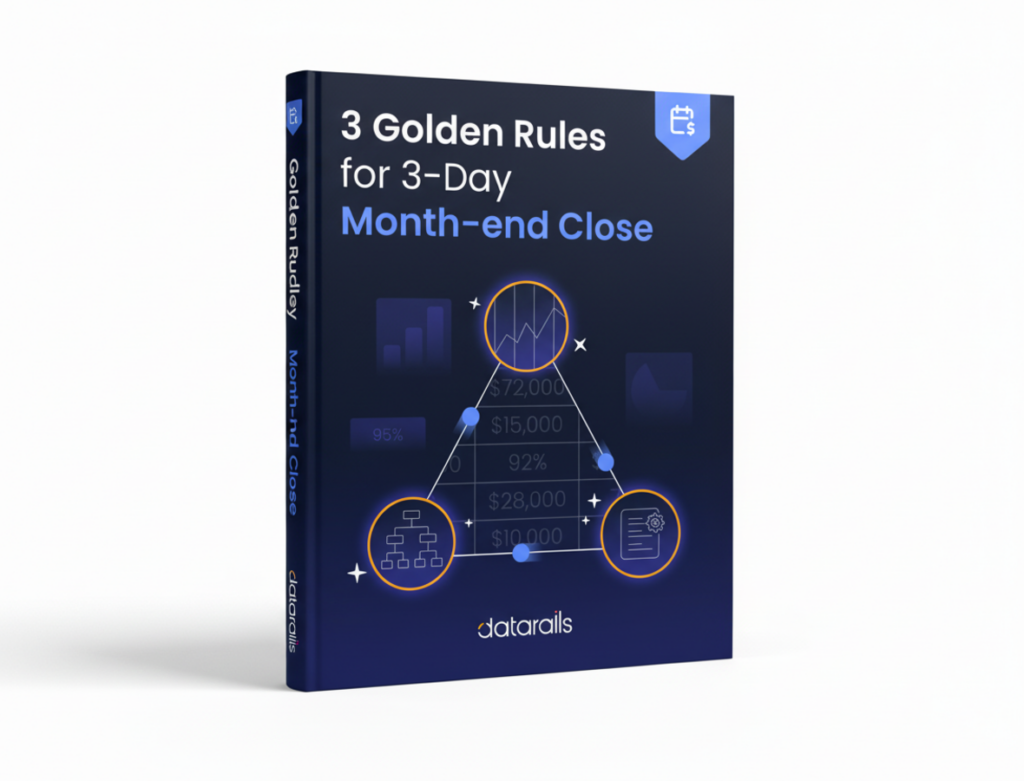
Datarails Month-End Close is a module designed to streamline and automate the month-end close process. It enables finance teams to plan, track, and execute every close activity from start to finish, reducing manual consolidation and error hunting. Learn more.
Features & Capabilities
What are the key features of Datarails?
Key features include Excel-native integration, automation of manual tasks, real-time dashboards, AI-powered analytics, centralized data management, scenario modeling, and white-glove support. Datarails automates up to 75% of manual spreadsheet work and provides instant access to actionable insights. See features.
Does Datarails support Excel integration?
Yes, Datarails is Excel-native, allowing users to work in their familiar Excel environment while leveraging advanced FP&A features. This minimizes the learning curve and ensures seamless adoption. Learn more.
How does Datarails automate financial processes?
Datarails automates repetitive tasks such as data consolidation and reporting, reducing manual spreadsheet work by up to 75% and saving 50 hours of labor per month. Automation helps finance teams focus on strategic activities. See case study.
What visualization and reporting tools does Datarails provide?
Datarails offers advanced visualization and reporting tools for creating clear and impactful financial reports, including P&Ls, balance sheets, and cash flows, with real-time figures and dashboards. Explore reporting tools.
Does Datarails offer scenario modeling?
Yes, Datarails includes scenario modeling capabilities, allowing businesses to analyze different scenarios and their potential impacts on financial outcomes. Learn more.
Use Cases & Benefits
Who can benefit from using Datarails?
Datarails is designed for finance professionals such as FP&A Analysts, CFOs, Finance Directors, and other financial leaders. It serves organizations of all sizes, including startups, mid-market companies, and large enterprises across industries like technology, healthcare, retail, and financial services. See target audience.
What problems does Datarails solve for finance teams?
Datarails addresses pains such as manual Excel work, spreadsheet sprawl, lack of consistency, slow reporting turnaround, poor visibility, data reconciliation challenges, and team burnout. Automation and centralization help finance teams focus on strategic tasks. See customer stories.
How does Datarails help with month-end close?
Datarails Month-End Close automates and streamlines the close process, enabling continuous reconciliation, standardized data collection, and a unified chart of accounts. This transforms close from a compliance burden to a strategic asset. Learn more.
What customer feedback has Datarails received regarding ease of use?
Customers consistently praise Datarails for its user-friendly interface and ease of use. Testimonials highlight its flexibility, intuitive design, and minimal learning curve. For example, Sarah C. from a mid-market company said, "DR is EASY to learn and use and makes revision planning a breeze!" (G2 Review).
How does Datarails improve efficiency for finance teams?
Datarails customers report up to a 4x increase in efficiency, with significant reductions in manual work and faster access to insights. Case studies show month-end reporting reduced from weeks to minutes and hundreds of thousands of dollars saved annually. See case study.
Pricing & Plans
What is Datarails's pricing model?
Datarails uses a customized pricing model tailored to each client's needs and use cases. Pricing is structured as an annual subscription, allowing organizations to start and stop their subscription at any time without long-term commitments. Request a quote.
How is Datarails pricing determined?
Pricing is determined based on the specific requirements and use cases of each organization. This ensures that customers only pay for what they use and receive solutions tailored to their needs. Learn more.
Implementation & Support
How long does it take to implement Datarails?
Most teams are fully up and running within 4-6 weeks. Simpler setups can be implemented in as little as 1-2 weeks. Specific modules, like Financial Statements, can be implemented in 2 weeks, and Cash Management in 2-3 weeks after bank connection. See implementation details.
How easy is it to start using Datarails?
Datarails features a modern, no-code setup process, requiring minimal technical resources. Implementation typically needs only a few hours per week from the customer's team, with Datarails handling most of the setup. Dedicated customer success managers and training resources are provided. Datarails University.
What support and training does Datarails provide?
Datarails offers white-glove support, including hands-on, daily live assistance, dedicated customer success managers, and access to self-paced learning materials, live sessions, webinars, and certification programs through Datarails University and Academy. Learn more.
Security & Compliance
Is Datarails SOC 2 compliant?
Yes, Datarails is SOC 2 compliant, ensuring secure management of cloud-based data and adherence to strict information security policies. This certification demonstrates a commitment to data security, confidentiality, and integrity. See compliance details.
Does Datarails support GDPR and CCPA regulations?
Yes, Datarails supports GDPR and CCPA regulations, ensuring compliance with global data protection laws. Customer data is isolated and never used to train external AI models. Learn more.
What security features does Datarails provide?
Datarails offers data isolation, SSO integration, granular role-based permissions, data deletion capabilities, incident response policy, and strict confidentiality duties for personnel. All staff undergo periodic training on information security and GDPR compliance. See security features.
Competition & Comparison
How does Datarails compare to Anaplan?
Datarails integrates seamlessly with Excel, offers faster implementation timelines (4-6 weeks), and features a no-code setup process. It requires less IT involvement and includes white-glove support in the subscription cost. See comparison.
How does Datarails compare to Jedox?
Datarails provides real-time dashboards, AI-powered analytics, and automates repetitive tasks like data consolidation and reporting. It centralizes financial data for a single source of truth and offers significant efficiency gains and proven ROI. See comparison.
How does Datarails compare to Cube?
Datarails offers a more comprehensive FP&A platform with scenario modeling, cash management, white-glove support, and training resources. It features better scalability, proven success stories, and faster onboarding. See comparison.
What are the advantages of Datarails for startups, mid-market, and enterprise companies?
Startups benefit from flexibility and quick implementation. Mid-market companies gain efficiency through automation and centralized data. Large enterprises and public companies leverage scalability, auditability, and compliance features for complex data needs and IPO preparation. See user segments.
Technical Documentation & Resources
Where can I find technical documentation for Datarails?
You can download the Technical and Architectural Overview document from November 2024 for detailed insights into Datarails's technical framework and architecture. Download here.
Where can I access Datarails's research reports and resources?
Datarails publishes research reports, guides, and trackers on topics relevant to finance professionals. You can access these resources on our research page.
What types of research does Datarails publish?
Datarails publishes research on business intelligence alternatives for finance, FP&A data consolidation, business agility, modern financial reporting, spreadsheet adoption, business budgets, and CFO challenges. See research topics.
Where can I find eBooks and other research materials from Datarails?
You can find eBooks and other research materials in the eBooks section of the Datarails website at our eBooks page.
Where can I access educational resources like blogs and podcasts from Datarails?
Datarails offers educational resources for finance professionals, including a blog, podcast, and research page. Access them at Blog, Podcast, and Research.
Company Vision & Mission
What is the vision and mission of Datarails?
Datarails's vision is to empower finance professionals by eliminating manual, repetitive tasks and enabling them to focus on strategic activities that drive business growth. The mission is to create a positive shift in the lives of finance professionals through advanced technology, including AI and automation. Read more.
What key information should customers know about Datarails?
Datarails is a leading FP&A company with a proven impact, offering robust support, SOC 2 compliance, and solutions for financial reporting, budgeting, forecasting, and cash management. Customers report efficiency gains, reduced manual work, and improved operational outcomes. See company info.
Ad-Hoc Reporting & FP&A Best Practices
What are the most common reasons to produce ad-hoc reports?
The most common reasons for producing ad-hoc reports are: further examination of a regular report, management requests for more information about a specific issue or dataset, and specific events or triggers that require a deeper look into the numbers. Learn more.
What is the Datarails research on 'The Economic Impact of the FP&A Role in the US' about?
This research explores the significant economic contributions and impact of the Financial Planning & Analysis (FP&A) role within the United States. Read the full report.