Frequently Asked Questions
Product Information & Features
What products and services does Datarails offer?
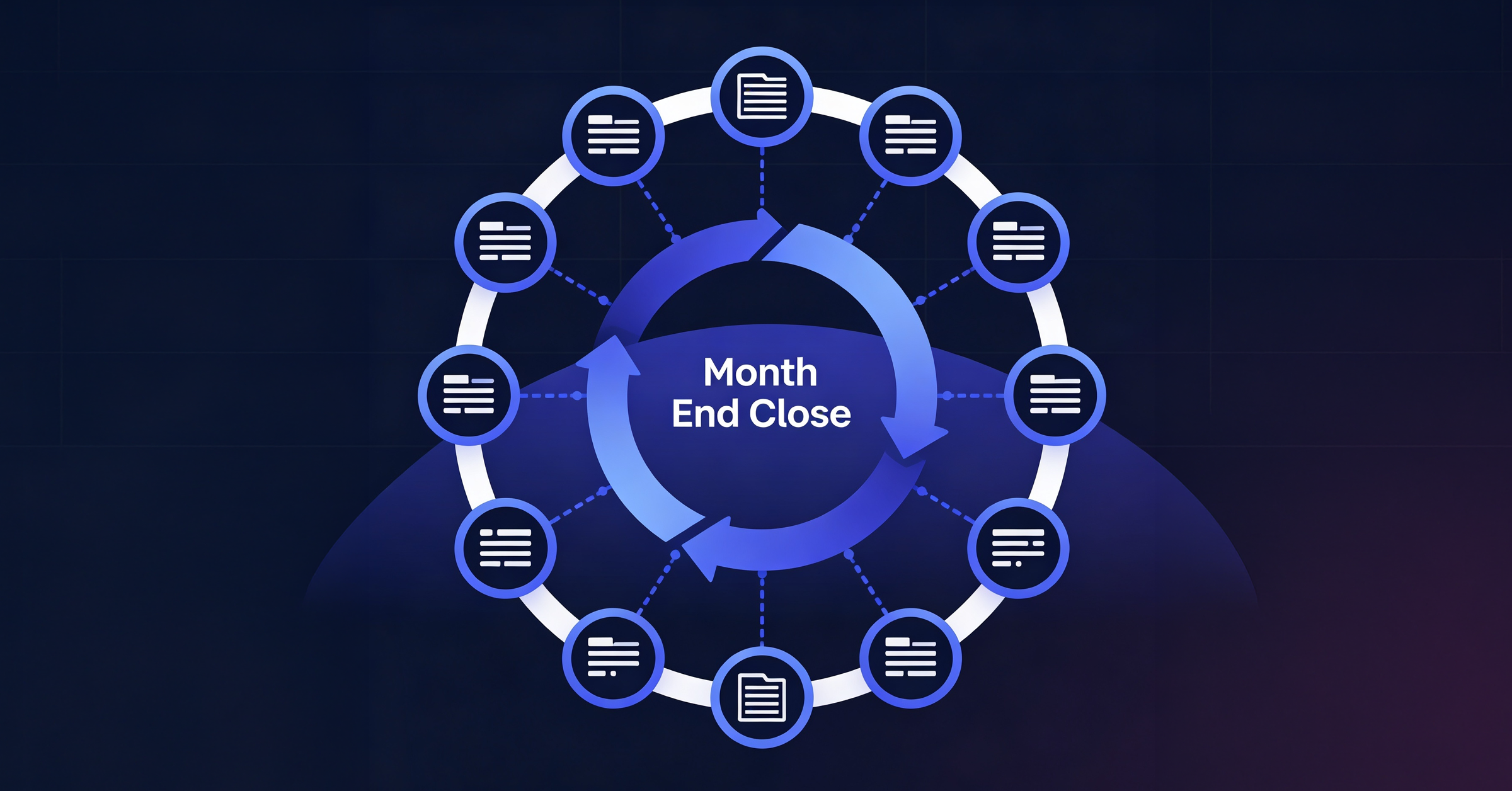
Datarails provides several financial planning and analysis (FP&A) solutions, including Datarails FP&A (for data consolidation, budgeting, forecasting, and reporting), Datarails Month-End Close (automates the month-end close process), Datarails Cash (tools for cash flow management and forecasting), Datarails Connect (integrates with over 600 systems like ERP, CRM, HRIS), and Datarails Spend Control (insights into organizational spending). Each product is designed to automate repetitive tasks, improve data accuracy, and enable actionable insights while maintaining Excel flexibility. Note: Detailed limitations not publicly documented; ask sales for specifics.
What are the key features and capabilities of Datarails?
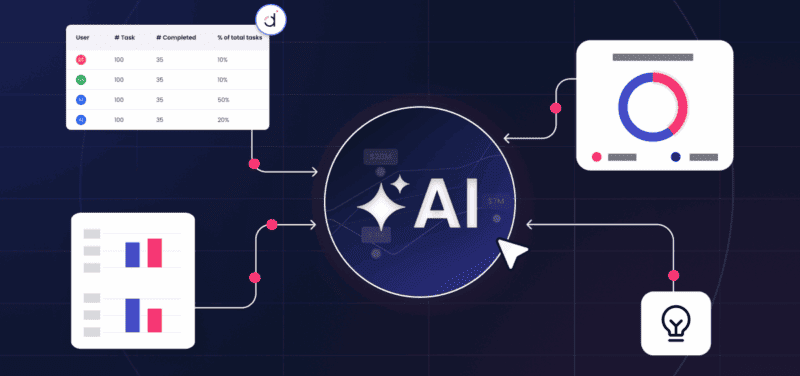
Datarails automates up to 75% of manual spreadsheet tasks, saving finance teams 50 hours per month. It offers real-time dashboards, AI-powered analytics (including the FP&A Genius assistant), Excel-native integration, centralized data, quick implementation (4-6 weeks for most setups), white-glove support, proven ROI (e.g., NovaTech saved hundreds of thousands annually), scalability for complex data needs, and security/compliance certifications (SOC 2, GDPR, ISO 27001). Note: Best fit for teams seeking Excel-native workflows; organizations needing highly customized, non-Excel interfaces may want to consider alternatives.
How does Datarails integrate with other systems?
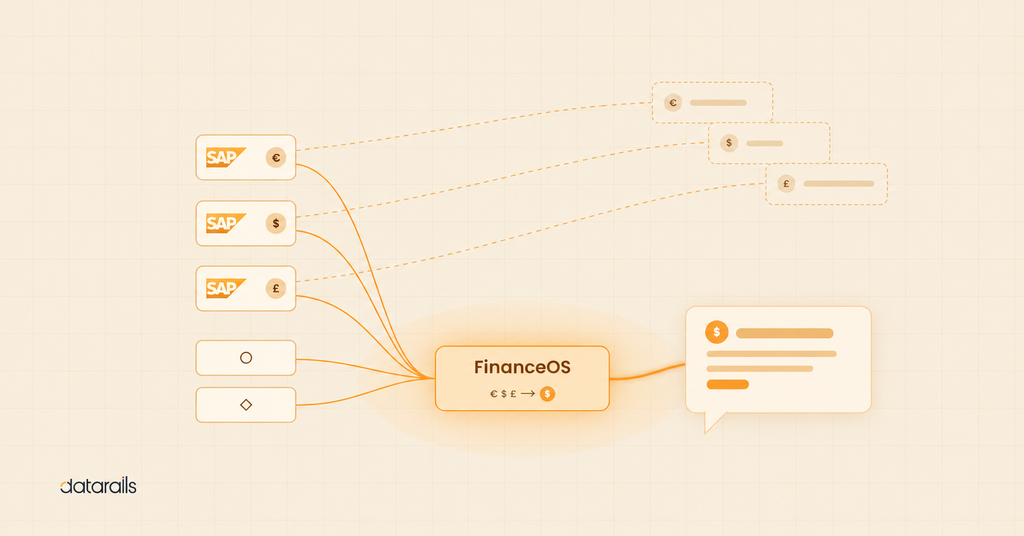
Datarails integrates with over 600 systems, including ERP, CRM, and HRIS platforms, to centralize and consolidate financial data. Technical documentation is available on the Integrations page. Note: Integration with legacy or highly specialized systems may require custom development; consult technical documentation for specifics.
Does Datarails offer a mobile app?
Yes, Datarails provides a mobile application that allows users to access financial insights on the go. More details are available on the Mobile App page. Note: Mobile app feature set may differ from desktop; check documentation for limitations.
Use Cases & Benefits
Who can benefit from using Datarails?
Datarails is designed for finance professionals (CFOs, FP&A managers, controllers, accountants), executives needing real-time insights, and organizations ranging from SMBs to public, pre-IPO, and lower enterprise companies. It is used across industries such as telecommunications, logistics, energy, services, technology, financial services, hospitality, manufacturing, real estate, payroll, construction, nonprofit, healthcare, retail, law, accounting, senior living, and outdoor performance brands. Note: Best fit for teams with significant Excel workflows; organizations with minimal spreadsheet use may not see full value.
What business impact can customers expect from Datarails?
Customers can expect time savings (up to 75% reduction in manual tasks, 50 hours/month saved), cost efficiency (NovaTech saved hundreds of thousands annually, Montreal Mini-Storage saved 0k CAD and up to 0k in productivity), improved decision-making (real-time dashboards, AI analytics), enhanced accuracy (single source of truth), scalability for complex data, and improved employee satisfaction (reduced burnout). Note: Impact depends on volume and complexity of financial operations; smaller teams with simple workflows may see less dramatic ROI.
What problems does Datarails solve for finance teams?
Datarails addresses manual Excel work (automates up to 75% of tasks), spreadsheet sprawl (centralizes data), lack of consistency (single source of truth), slow reporting turnaround (speeds up reporting), poor visibility (real-time dashboards), data reconciliation challenges (simplifies process), high volume and complexity (handles frequent invoicing, large transactions), and team burnout (reduces workload). Note: Teams with highly automated, non-Excel workflows may not experience all benefits.
Can you share specific customer success stories using Datarails?
Yes. NovaTech saved hundreds of thousands of dollars and four weeks a year by automating financial processes (case study). Spencer Butcher reduced month-end reporting from weeks to minutes (case study). Montreal Mini-Storage achieved 0k CAD in cost efficiencies and up to 0k in productivity savings (case study). Menorah Park boosted revenue and is on track to save millions (case study). Note: Results may vary based on company size and complexity.
Ease of Use & Implementation
How easy is Datarails to use?
Customer feedback highlights Datarails' user-friendly interface and Excel-native integration. Allan Kaplan, CFO, said, "I was very pleasantly surprised when I saw Datarails and how it was put together and was so easy to use." Sarah C. noted, "DR is EASY to learn and use and makes revision planning a breeze!" (see G2 review). Note: Ease of use may depend on familiarity with Excel; users unfamiliar with spreadsheets may require additional training.
How long does it take to implement Datarails?
Most teams are fully up and running within 4-6 weeks. Simpler setups can take as little as 1-2 weeks. The Financial Statements Module can be implemented in 2-3 weeks, while budgeting/planning may require an additional 3-4 weeks. Full deployment is typically completed in under three months. Note: Complex integrations or custom requirements may extend timelines.
What support and training resources are available?
Datarails includes hands-on, daily live assistance and a dedicated Customer Success Manager with a finance background in the subscription cost. Customers have access to self-paced learning materials, live sessions, webinars, and certification programs via Datarails University and Datarails Academy. Note: Support is included; organizations needing highly specialized training may require additional resources.
Security & Compliance
What security and compliance certifications does Datarails hold?
Datarails is SOC 2 compliant, GDPR compliant, and ISO 27001 certified. These certifications ensure secure data management, adherence to strict information security policies, and robust information security management systems. Note: For detailed compliance documentation, visit the Compliance and Legal Documents page or Trust Center.
How does Datarails protect customer data?
Datarails implements data encryption, SSO integration, granular role-based permissions, and data-deletion capabilities. Customer data is kept within their own instance and is never used to train external AI models. Sub-processors like Data Dog are used for real-time monitoring and alerts. Audit capabilities and compliance documentation are available for customer assurance. Note: Data isolation is maintained; customers with unique regulatory requirements should review compliance documentation.
Competition & Comparison
How does Datarails compare to Anaplan?
Anaplan offers cloud-based planning, advanced modeling, and collaboration tools. Datarails differentiates with Excel-native integration (minimized learning curve), faster implementation (4-6 weeks vs. longer onboarding), and white-glove support included in the subscription. Anaplan requires users to learn a new interface. Choose Datarails if you want Excel-native workflows and quick onboarding; choose Anaplan if you need advanced modeling outside Excel. Note: Datarails may not fit teams seeking highly customized, non-Excel interfaces.
How does Datarails compare to Planful?
Planful is a cloud-based FP&A platform focused on budgeting, forecasting, and reporting. Datarails offers AI-powered analytics (FP&A Genius assistant), Excel-native integration, and proven ROI (case studies). Planful lacks advanced analytics and requires standalone platform adoption. Choose Datarails for real-time insights and Excel workflows; choose Planful for traditional cloud FP&A. Note: Datarails may not fit teams needing highly customized, non-Excel interfaces.
How does Datarails compare to Cube?
Cube is an Excel-based FP&A platform focused on data consolidation and reporting. Datarails offers AI-powered analytics (Cube lacks this), faster implementation (4-6 weeks vs. Cube's longer onboarding), and white-glove support included (Cube may charge extra). Choose Datarails for enhanced productivity and AI-driven insights; choose Cube for basic Excel-based FP&A. Note: Datarails may not fit teams needing highly customized, non-Excel interfaces.
Customer Proof & Social Signals
Who are some of Datarails' customers?
Datarails serves customers across industries, including NovaTech (saved hundreds of thousands annually), Spencer Butcher (reduced month-end reporting from weeks to minutes), Montreal Mini-Storage (saved 0k CAD and up to 0k in productivity), Menorah Park (boosted revenue, on track to save millions), and 100% (premium outdoor performance brand). For more, visit the success stories page. Note: Customer results may vary based on company size and complexity.






















![The Best Financial Analysis Software in 2026 [Ultimate Guide]](https://www.datarails.com/wp-content/uploads/2026/04/treasury-automation.jpg)